When the first iPhone hit the UK market in 2007, the idea of gaming on a handheld device was still a niche curiosity. Fast forward to 2024, and a 70‑percent penetration rate of smartphones means that almost every adult can download a game at a coffee shop, during a train ride or while waiting for a doctor’s appointment. That ubiquity has reshaped how people spend leisure time, how businesses market to them, and how cultural trends spread.
1. The Economics of Micro‑Payments
In 2018 the UK mobile gaming market generated £2.6 billion in revenue, up from £1.5 billion five years earlier. The bulk of this comes from micro‑transactions—tiny purchases that add cosmetic items or in‑game currency. A single player can spend more than £50 a month on a popular title, and developers often see a 5‑to‑1 return on each pound spent. This model has attracted advertisers, who now pay £0.10 per in‑app impression, a rate that rivals traditional television ads during peak times.
2. Social Connectivity and Community Building
Modern mobile games embed social features that turn solitary play into a shared experience. Games like Clash Royale and Among Us host global leaderboards that update every minute. Players form clans or squads, exchange tips via in‑app chat, and organize events that span continents. In 2023, the average player logged 45 minutes per day, with 18 % of that time spent interacting with other users rather than just playing.
3. Cross‑Platform Ecosystems and Device Integration
Apple’s Game Center and Google Play Games allow progress to sync across phones, tablets, and desktops. A user who starts a campaign on a budget Android phone can finish it on a high‑end iPad without losing data. This fluidity has lowered the barrier to entry for casual gamers who might otherwise abandon a title when switching devices. The result is a longer average lifecycle for games, often exceeding 18 months before players move on.
4. Mobile Gaming as a Cultural Mirror
Game narratives increasingly reflect societal issues—climate change in Eco, mental health in Life is Strange, and diversity in Hades. Surveys show that 62 % of UK gamers feel that these stories influence their real‑world attitudes. The reach of mobile gaming means that even players who never visit a cinema or a theatre are exposed to the same themes, shaping public discourse in subtle ways.
5. The Rise of Esports and Competitive Play
Mobile esports tournaments now offer prize pools that rival those of console titles. In 2022, the UK hosted a £250,000 tournament for Call of Duty: Mobile, attracting over 10,000 live viewers on Twitch. Teams train for hours, and sponsors pay for brand placements within the game’s UI. This competitive scene has turned mobile gaming into a viable career path for a growing segment of the population.
Bridge to Online Entertainment
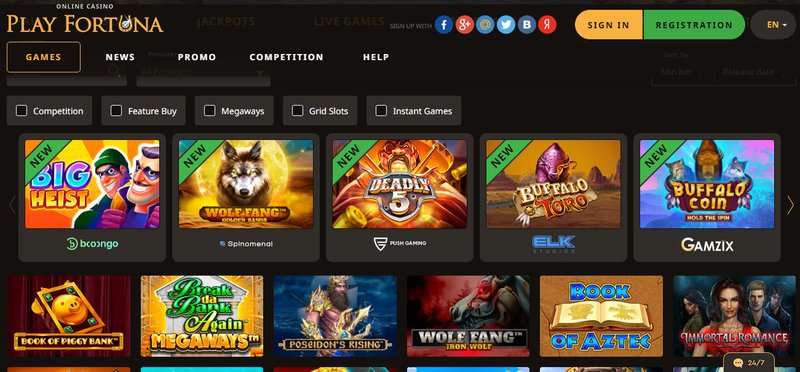
When a casual mobile player finishes a quick match, they often look for a new pastime that matches their schedule. Many turn to online gaming platforms for deeper engagement, and one popular choice for UK residents is Fortunica, which offers a wide range of interactive experiences that complement mobile play.
6. Regulatory and Data Privacy Challenges
The UK’s Data Protection Act 2018 and the upcoming Digital Markets Act impose strict rules on data collection. Mobile games that track location or biometric data now need explicit consent, and failure to comply can result in fines of up to £15 million. Developers must balance personalization with privacy, leading to the adoption of on‑device analytics that keep user data local.
Conclusion: A New Entertainment Paradigm
Mobile gaming is no longer a side hobby; it is a mainstay of the UK’s entertainment ecosystem. Its economic impact, social connectivity, cross‑platform flexibility, cultural relevance, competitive depth, and regulatory complexity all point to a future where the line between “gaming” and everyday digital interaction continues to blur. For anyone looking to understand the pulse of contemporary leisure, the smartphone screen is the most telling indicator.